Yes, poor posture, particularly forward head posture from long hours at a desk or on a phone, can contribute to TMJ symptoms. The muscles that stabilize your jaw share attachments with your neck and upper back, so when those muscles are chronically strained from posture, jaw tension and dysfunction often follow. Addressing posture is frequently part of resolving TMJ symptoms that have not responded to jaw-focused treatment alone.
The Posture and Jaw Connection, Explained
Your jaw does not operate independently from the rest of your body. Muscles around the temples and the sides of the neck help control jaw movement while also attaching to the cervical spine and shoulders. When posture pulls the head forward and down, those muscles have to work harder just to hold your head up, and that added tension does not stay isolated to the neck.
Over time, this creates a cycle. Tight neck and shoulder muscles pull on the muscles supporting the jaw, and jaw clenching, which often increases under stress or fatigue, adds tension right back into the neck.
The Math Behind Forward Head Posture
For every inch your head drifts forward from your shoulders, the effective load on your cervical spine roughly doubles. Most people do not notice this happening because it develops gradually, from years of screens, phones, and desk work rather than any single event.
This is the same mechanism behind a lot of the neck pain and cervicogenic headaches we see in patients, and it plays a role in TMJ symptoms for the same reason. The muscles under strain overlap.
Signs Posture Might Be Feeding Your TMJ Symptoms
- Jaw tension that gets worse toward the end of a workday
- Neck or shoulder tightness alongside jaw discomfort
- A visibly forward head position when you catch yourself in a mirror or photo
- Jaw symptoms that ease somewhat on weekends or when away from a desk
- Improvement from a night guard or dental treatment, but not full resolution
What You Can Do About It
Small daily changes can reduce the strain that feeds this cycle. Set screens at eye level instead of looking down at them. Take movement breaks every 30 to 45 minutes instead of sitting in one position for hours. Be mindful of phone posture, since looking down at a phone is one of the biggest contributors to forward head posture. We go into more detail on desk setup and posture habits in this post on preventing neck pain at a desk, and the same habits apply here.
That said, habit changes alone often are not enough once posture has been a problem for years. A structural evaluation can identify exactly where the restriction and imbalance are coming from.
How Within Chiropractic Approaches Posture-Related TMJ Symptoms
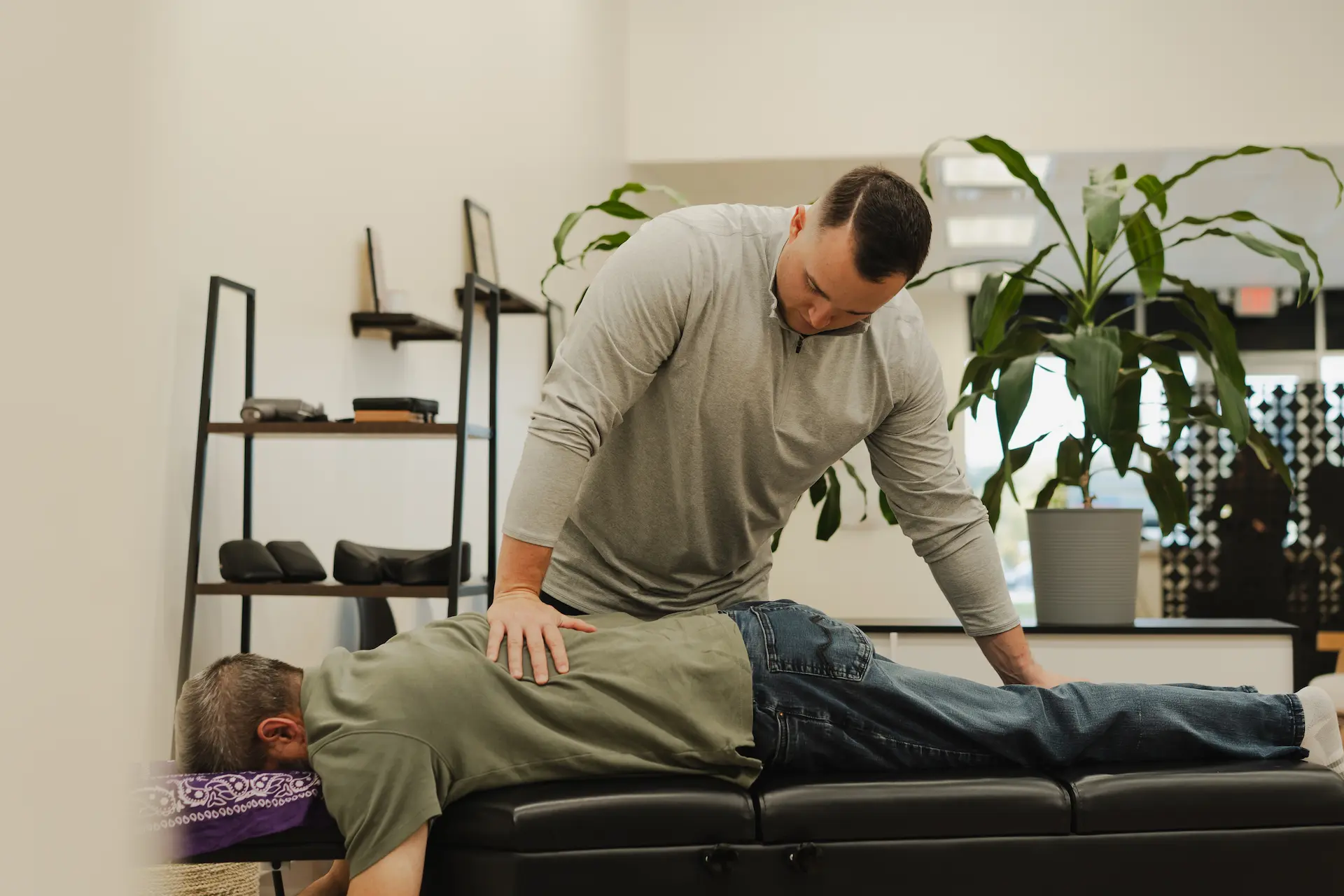
Every new patient at Within Chiropractic in Colleyville starts with a digital posture analysis and orthopedic exam, which gives an objective baseline rather than a guess. If posture is contributing to your jaw symptoms, treatment typically focuses on restoring normal movement and alignment in the neck and upper back through chiropractic care, releasing chronically tight muscles with soft tissue therapy, and a structured posture correction plan to retrain the patterns that keep pulling your head forward.
This does not replace dental or orthodontic care when the TMJ issue is joint-specific or related to bite alignment. In many cases, addressing posture alongside dental treatment gets better results than either approach on its own.
Frequently Asked Questions
Can fixing my posture fully resolve TMJ symptoms?
It depends on how much posture is contributing versus other factors like clenching or a joint-specific issue. For many patients, posture correction meaningfully reduces symptoms, though it may not be the whole picture.
How long does posture correction typically take?
Correction is achievable at any age, but it takes consistent care over time rather than a quick fix, especially if the posture pattern has been present for years.
Is this covered by insurance?
Coverage varies by plan. Our team can walk you through your options during your visit.
Find Out What’s Actually Driving Your Jaw Symptoms
If your TMJ symptoms have not fully improved with jaw-focused treatment, posture and neck function may be part of the picture. Schedule a visit or call 682-343-6801 today.