
Sciatica Treatment in Colleyville, TX

Sciatica tells you a nerve is being compressed somewhere along its path – Within Chiropractic finds exactly where that is and treats it directly rather than masking the symptoms.

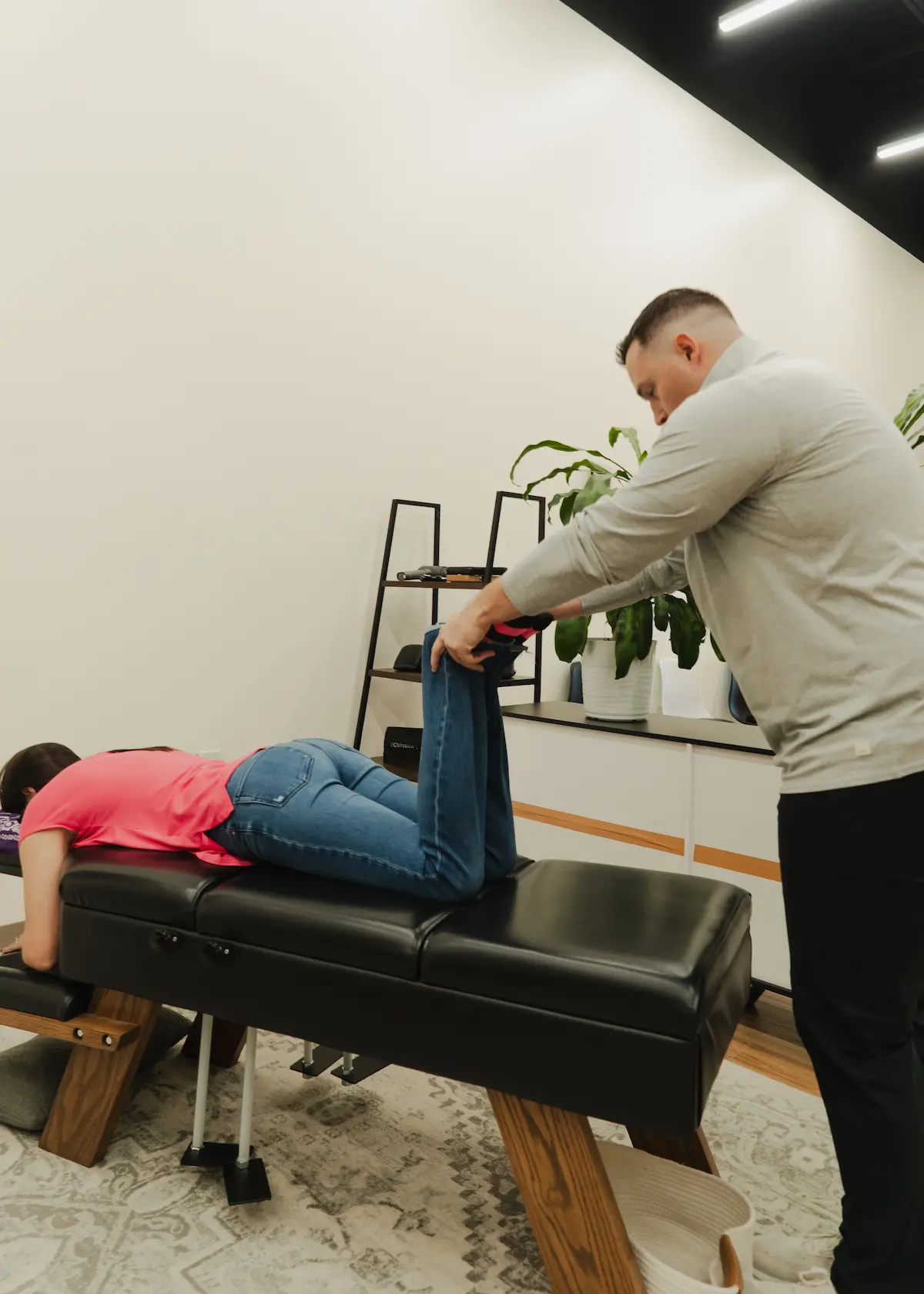
A male chiropractor adjusts the legs of a female patient lying face down on a black table.

What Sciatica Actually Feels Like

The burning, electric-shock sensation that runs from the low back through the buttock and down the back of the leg. The way sitting in a car makes it flare to the point where you’re shifting constantly trying to find relief. The numbness in the calf or foot that comes and goes without warning. If any of that sounds familiar, you already know what sciatica feels like in a way no clinical description captures.

What you may not know is that sciatica is a symptom, not a diagnosis. It tells you a nerve is being compressed somewhere along its path from the lumbar spine into the leg. What it doesn’t tell you is where that compression is coming from, and that distinction matters enormously for treatment.

What's Actually Causing Your Sciatica

Different causes require different treatment approaches, which is why identifying the specific source is the first priority.

Lumbar Disc Herniation

A herniated disc at L4-L5 or L5-S1 is the most common structural cause of sciatica. When disc material presses on these nerve roots, pain travels along the sciatic nerve’s entire path into the leg. This type tends to worsen with sitting and forward bending. Learn more about herniated and bulging discs

Lumbar Joint Restriction

When lumbar vertebrae lose normal motion or position, the space where nerve roots exit the spine can narrow, creating the same shooting leg pain pattern. This type often responds well to chiropractic adjustments once the specific levels involved are identified.

Sacroiliac Joint Dysfunction

The SI joint connects the sacrum to the pelvis and is a frequently overlooked sciatica source. When restricted or inflamed, it refers pain into the buttock and down the leg in a pattern that mimics disc-related sciatica but requires a different treatment approach.

Piriformis Syndrome

The piriformis muscle sits deep in the glute and the sciatic nerve runs near or through it. When this muscle is chronically tight from prolonged sitting or hip imbalances, it can compress the nerve in the pelvis rather than at the spine.

How Dr. Thompson Treats Sciatica in Colleyville

Dr. Thompson’s exam for sciatica patients includes orthopedic and neurological testing specifically designed to identify which of these sources is driving the symptoms before any treatment begins.

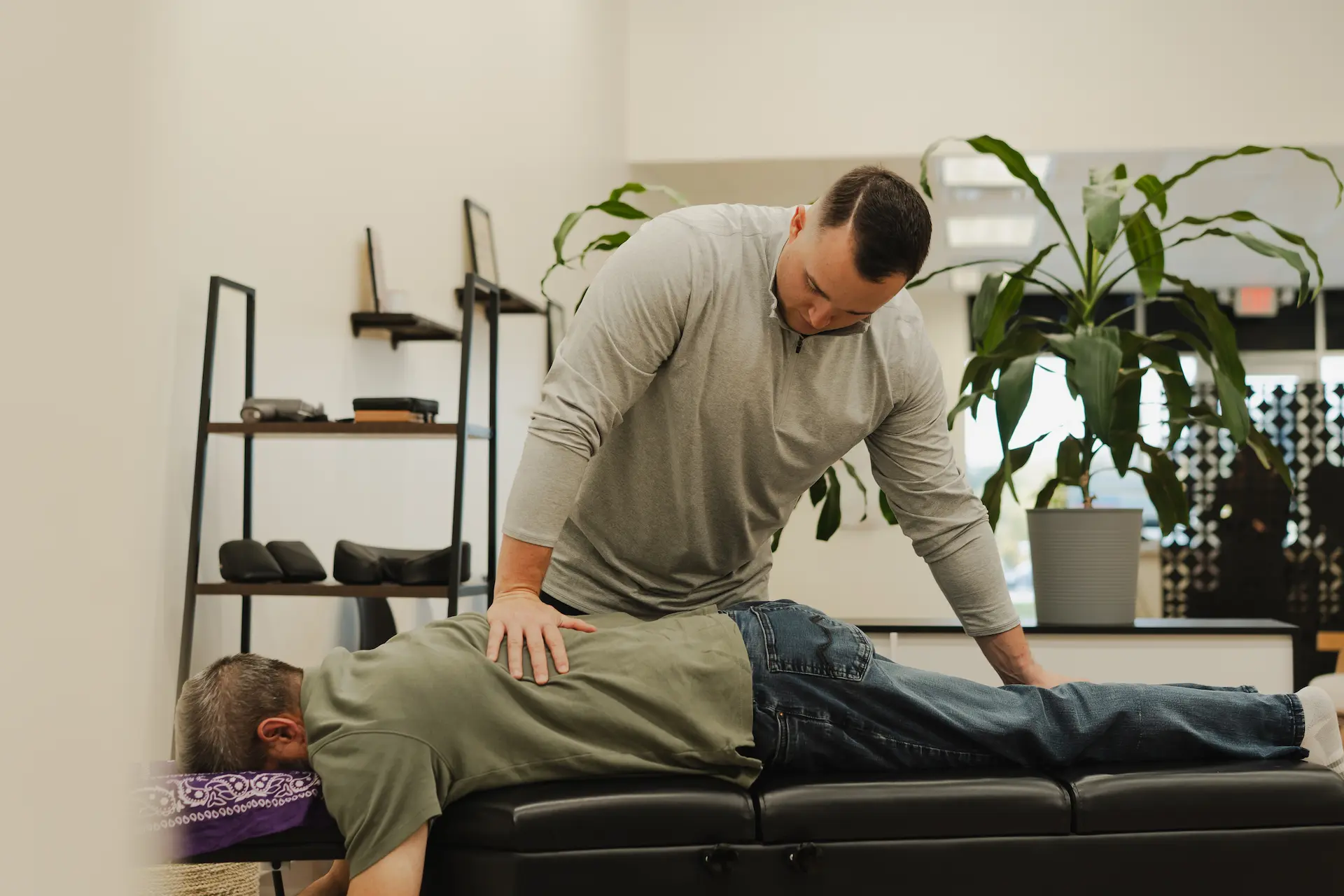
A male chiropractor adjusts the lower back of a male patient lying face down on a black treatment table.

Chiropractic Adjustments

Lumbar and pelvic adjustments address the joint restriction and misalignment contributing to nerve compression at the source. For disc-related sciatica, adjustments restore proper spacing and mechanics at the affected lumbar levels. For SI joint involvement, pelvic corrections restore normal sacroiliac motion.
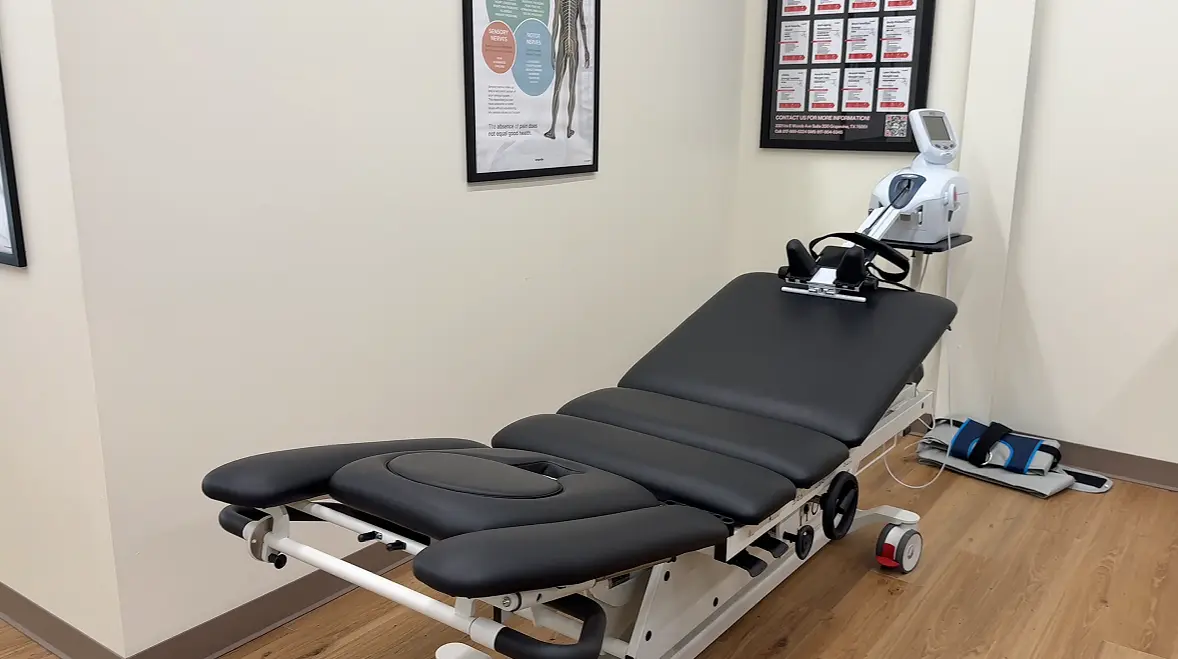
A black medical treatment table with a white and silver therapy device at its head, in a room with light walls and wooden floors.

Spinal Decompression

For sciatica driven by disc herniation at L4-L5 or L5-S1, spinal decompression directly reduces the pressure on the compressed nerve root and creates the conditions for the disc to retract and heal. It's most appropriate when disc involvement has been identified through exam and imaging.

When Sciatica Needs Immediate Medical Attention

For the vast majority of sciatica patients, chiropractic care is a safe and appropriate first step. That said, certain symptoms require urgent medical evaluation rather than conservative care: severe or rapidly progressing leg weakness, difficulty walking, foot drop, or any loss of bladder or bowel control. If you’re experiencing any of these, contact a physician or emergency services rather than scheduling a chiropractic appointment. Dr. Thompson’s exam process screens for these presentations, and he will refer appropriately if needed.

Frequently Asked Questions About Sciatica

How do I know if my leg pain is actually sciatica?

True sciatica follows a specific nerve path from the low back through the buttock and down the back or side of the leg, often into the calf or foot. If your leg pain follows that pattern and coincides with low back symptoms, sciatica is likely. A thorough neurological and orthopedic exam will confirm it and identify the source.

What is the difference between disc sciatica and piriformis syndrome?

Disc sciatica originates in the lumbar spine where the nerve root is compressed by herniated disc material. Piriformis syndrome involves compression of the sciatic nerve in the pelvis by a tight piriformis muscle. The pain pattern can feel similar, but the location of maximum tenderness, the aggravating movements, and the appropriate treatment are different. Orthopedic testing during your exam distinguishes between the two.

Can sciatica heal on its own?

Some acute sciatica cases do improve with time, particularly mild ones. Chronic or recurring sciatica, and cases involving disc herniation, typically don’t fully resolve without addressing the underlying compression. Waiting also allows secondary muscle guarding and compensation patterns to develop, which complicates recovery.

How long does sciatica take to get better with chiropractic care?

Most patients with mechanical sciatica begin noticing meaningful improvement in leg symptoms within the first several visits. Cases involving significant disc herniation or long-standing nerve compression may take longer. Dr. Thompson will give you a realistic timeline based on your specific findings.

Ready to Get Lasting Relief from Sciatica in Colleyville?

Find out what’s actually compressing your sciatic nerve and what it will take to address it.