
Non-Surgical Spinal Decompression in Colleyville, TX
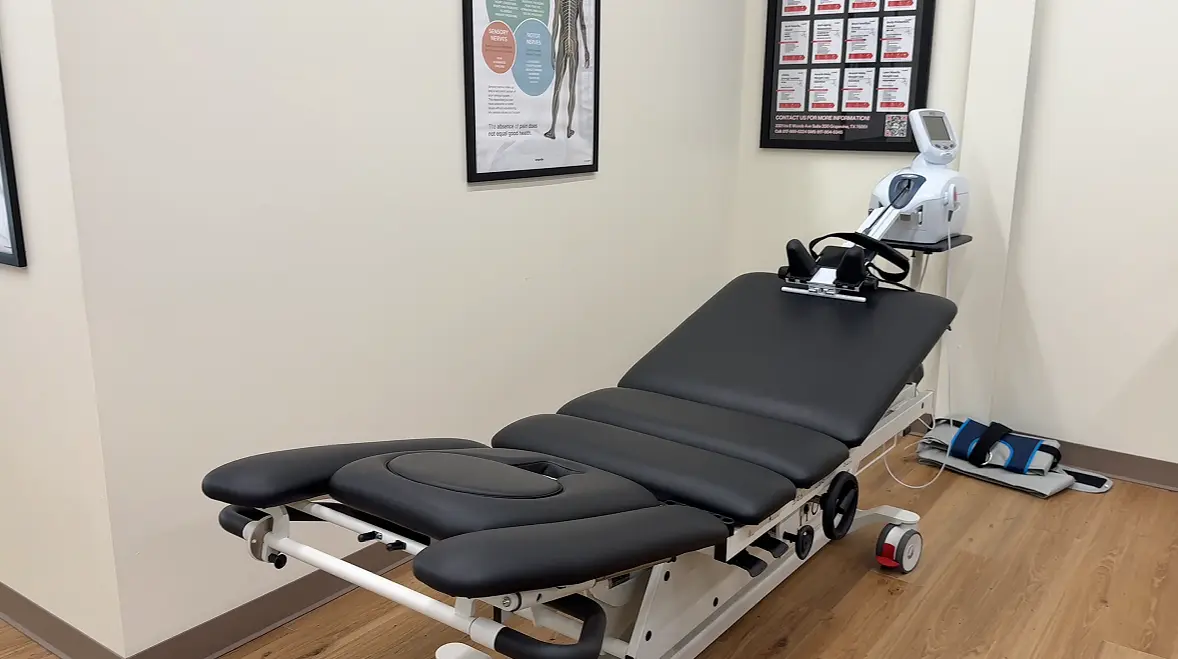
Spinal decompression at Within Chiropractic gently reduces disc pressure and nerve compression – giving patients a real alternative to injections or surgery for chronic back and disc pain.
A black medical treatment table with a white and silver therapy device at its head, in a room with light walls and wooden floors.

What Spinal Decompression Actually Does

When a disc is compressed or herniated, it presses on surrounding nerves and creates pain that can travel far from the actual source. Spinal decompression creates a gentle, controlled traction force that reduces pressure inside the disc, allowing bulging or herniated material to retract away from the nerve while drawing oxygen and nutrients back into the damaged tissue so it can heal.
For patients told their only options are injections or surgery, spinal decompression is often the conversation that changes everything. It’s non-surgical, comfortable, and directly addresses what the imaging shows rather than managing pain around it.

We offer cervical decompression (your neck) along with lumbar decompression (your back).

What to Expect During a Spinal Decompression Session

Sessions are comfortable and straightforward. Dr. Thompson reviews your X-rays and exam findings to identify the specific disc levels involved and set the appropriate protocol before your first session begins.

You’ll be positioned on the decompression table fully clothed. The table applies a gentle, rhythmic traction force to the targeted spinal level, alternating between a stretch and a release phase. Most patients find sessions relaxing. Some feel a mild pulling sensation in the lower back, which is normal. Sessions typically run 15 to 30 minutes.
Most patients go through a series of sessions as part of a broader care plan. Dr. Thompson will outline how many sessions are recommended based on your specific findings at your report of findings visit.

Conditions Spinal Decompression Helps in Colleyville

Spinal decompression is most effective for conditions where disc compression or nerve involvement is driving the pain. The conditions Dr. Thompson most commonly treats with decompression include:
reduces intradiscal pressure to allow the disc to retract and heal
takes load off the compressed lumbar nerve roots where sciatic pain originates
particularly for chronic cases with a disc or nerve component that hasn’t responded to adjustments alone
cervical decompression is available for disc-related neck and arm symptoms

Who Is a Good Candidate for Spinal Decompression?

The ideal candidate is someone who has dealt with disc-related or nerve pain for a while, has tried adjustments or other conservative care with limited results, and wants a non-surgical option before considering injections or surgery. If you have imaging that confirms a herniated or bulging disc, that’s a strong indicator that decompression may be appropriate for your situation.
Herniated or bulging disc confirmed by MRI or X-ray
Chronic sciatica with leg pain, numbness, or tingling
Back or neck pain that hasn’t fully resolved with adjustments alone
Patients wanting to avoid epidural injections or surgery
Degenerative disc disease with nerve involvement
Patients with fractures, severe osteoporosis, certain spinal implants, or active cancer in the spine are not candidates for decompression. Dr. Thompson’s exam process screens for these before any care begins.

Better Results as Part of a Full Care Plan

Spinal decompression works best when it’s part of a broader treatment approach rather than used in isolation. At Within Chiropractic, decompression is commonly combined with chiropractic adjustments to restore proper joint mechanics alongside disc pressure reduction, and with soft tissue therapy and mobility work to address the muscular component that builds up around a chronic disc problem.
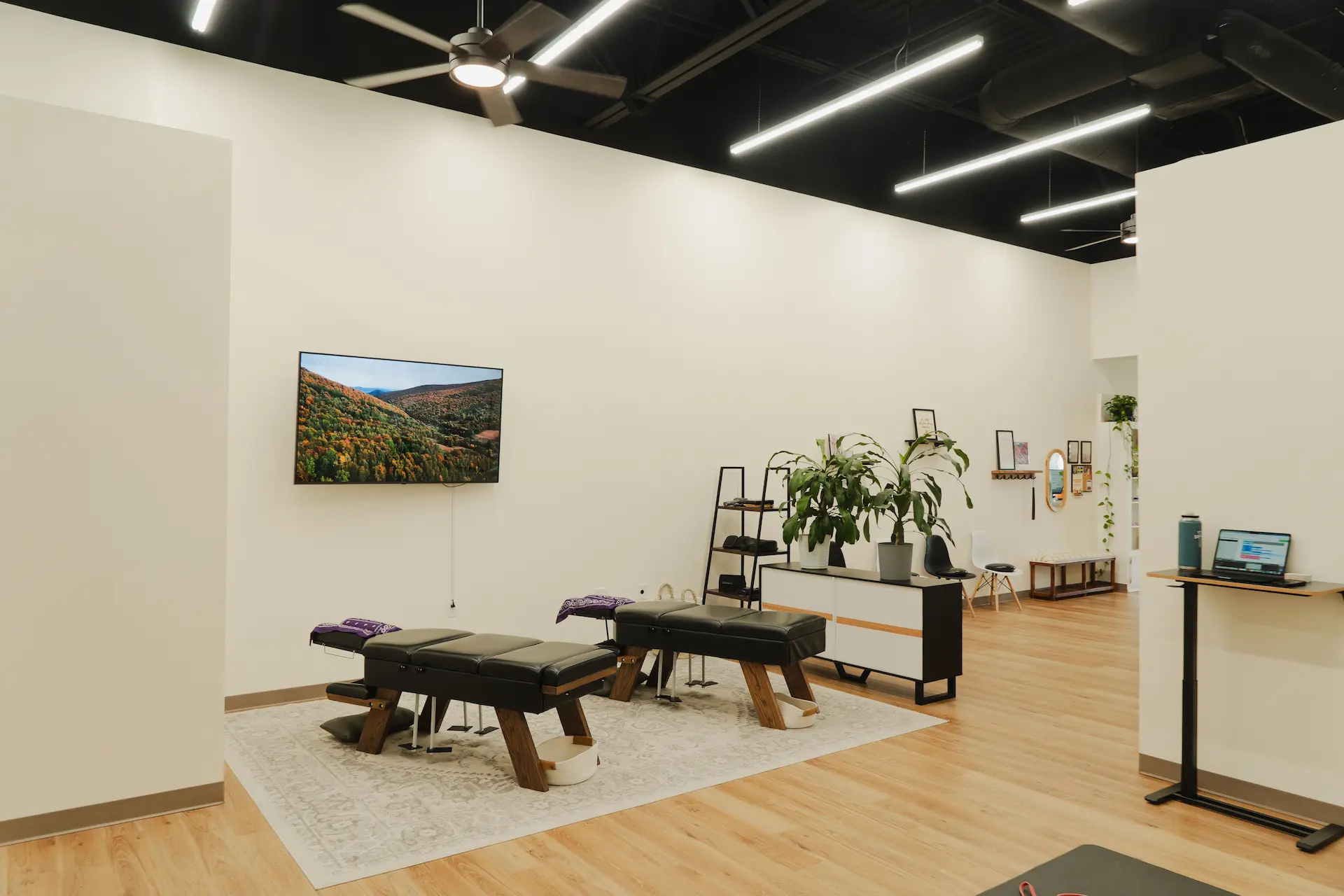
A modern wellness room with two black treatment tables on a rug, a TV displaying a forest, plants, and a standing desk with a laptop.
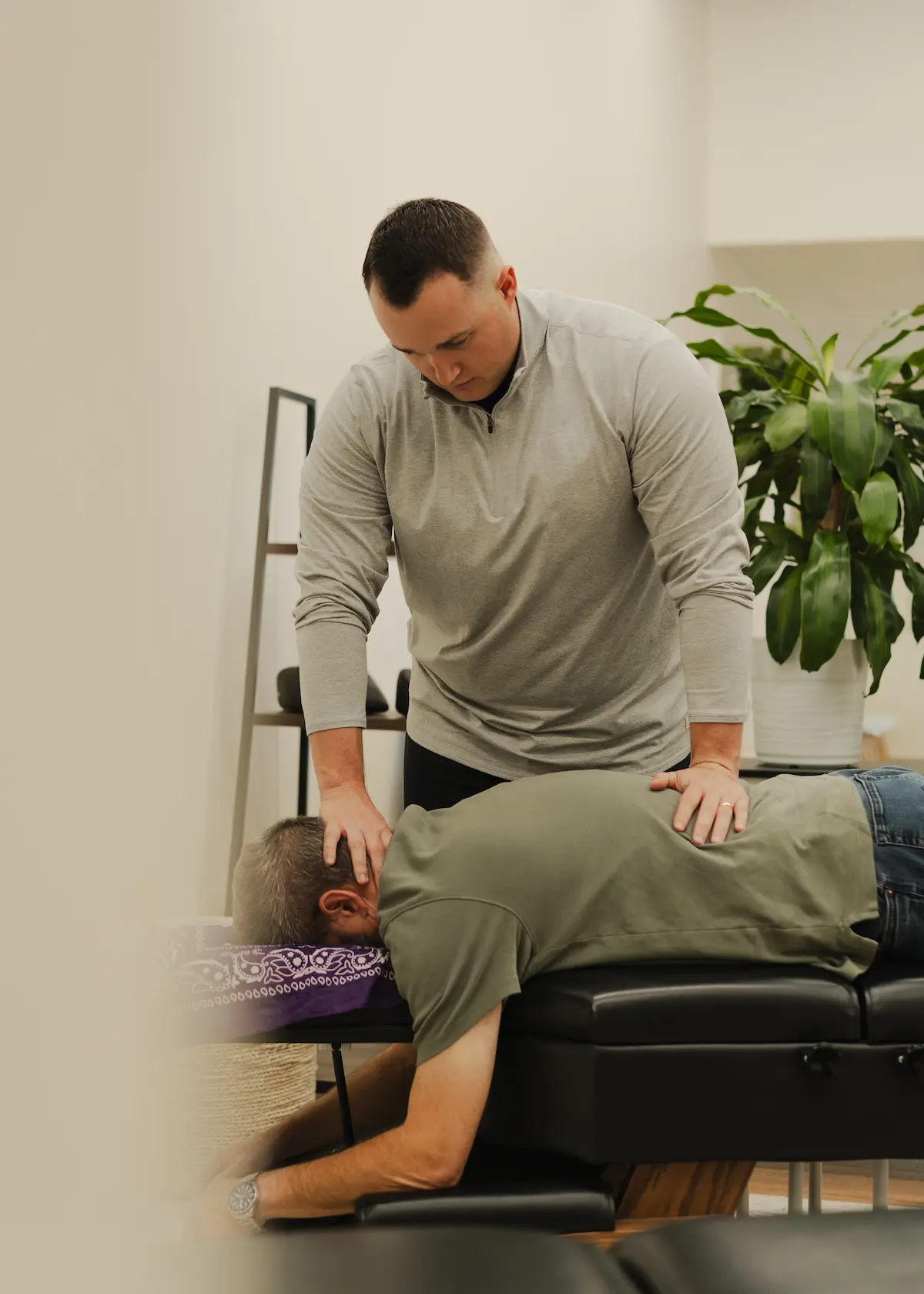
A male practitioner adjusts the neck of a male patient lying face down on a black examination table.

Frequently Asked Questions About Spinal Decompression

Is spinal decompression painful?

Most patients find it comfortable and relaxing. Some feel a mild pulling sensation during the stretch phase, but it should not be painful. If anything feels uncomfortable, the protocol can be adjusted.

How is this different from regular traction?

Standard traction applies a continuous pulling force, which can trigger the muscles to guard and resist. Spinal decompression uses a computer-controlled, rhythmic alternation between stretch and release that works with the body rather than against it, allowing true decompression of the disc without muscle guarding.

How many sessions will I need?

That depends on the severity of your disc condition and how long it’s been present. Dr. Thompson will outline a specific protocol based on your imaging and exam findings at your report of findings visit.

When will I start to feel results?

Many patients notice meaningful improvement within the first several sessions. Full resolution of disc-related pain typically takes a series of sessions over several weeks, with improvement building progressively.

Does insurance cover spinal decompression?

Coverage varies by plan. Within Chiropractic is in-network with BCBS of Texas, and financing options are available for patients paying out of pocket.

Ready to Explore Non-Surgical Relief in Colleyville?

If disc pain, sciatica, or chronic back pain has been limiting your life and you want a real alternative to injections or surgery, let’s talk.