
A cervicogenic headache is a headache that originates from dysfunction in the upper neck rather than the head itself, often felt as pain that starts at the base of the skull and wraps forward toward the temple or eye. Because the real source is the cervical spine, addressing the neck can reduce how often these headaches show up. Many people in Colleyville spend years treating the head when the actual driver is sitting one level down.
What Makes a Headache “Cervicogenic”?
The term simply means the headache is coming from the neck. The upper cervical spine, specifically the C1, C2, and C3 segments, shares nerve pathways with the nerves that supply sensation to the head and face. When those upper neck joints or muscles are irritated or restricted, the brain can interpret those signals as pain in the head.
That is why a problem in your neck can feel like it lives entirely in your skull. The pain is real, but the location you feel it is not where it started.
How to Tell It Might Be Coming From Your Neck
Cervicogenic headaches tend to share a few features that set them apart:
- Pain that usually starts at the base of the skull and moves forward
- Discomfort that is often one-sided and stays on the same side
- Headaches triggered or worsened by neck movement or long-held postures
- Reduced range of motion or stiffness in the neck
- A steady, aching quality rather than the intense throbbing of a classic migraine
A lot of patients notice these headaches build during or after long stretches at a desk or on a phone, which is a strong clue the neck is involved.
Cervicogenic, Tension, and Migraine Headaches
These types can overlap, which is part of why they get confused. Tension headaches often feel like a band of pressure around the head. Migraines tend to bring throbbing pain, light or sound sensitivity, and sometimes nausea. Cervicogenic headaches specifically trace back to neck dysfunction. A person can experience more than one type, and neck involvement can even act as a trigger that lowers the threshold for a migraine in people already prone to them.
Why the Neck Causes Headaches in the First Place
The most common contributor we see is forward head posture, sometimes called tech neck. For every inch your head drifts forward from your shoulders, the effective load on your cervical spine roughly doubles. Over months and years, that added strain builds tension in the upper neck muscles and joints.
Other contributors include old whiplash injuries that never fully resolved, poor sleep positioning, and accumulated stress that keeps the neck and shoulder muscles tight. If your neck pain and headaches tend to show up together, that pairing is worth paying attention to. Our guide on preventing neck pain while working at a desk covers the posture side in more detail.
The Posture Connection
Because forward head posture is such a frequent driver, addressing posture is often part of getting these headaches under control. A digital posture analysis, which is part of the posture correction process at our Colleyville office, gives an objective picture of how far the head has drifted and where the strain is concentrated. That takes the guesswork out of what is actually happening.
How Chiropractic Care Can Help
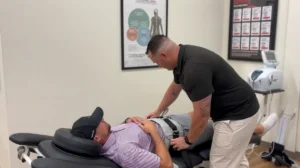
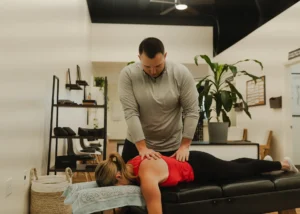
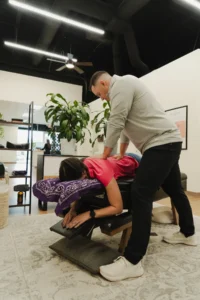
When headaches trace back to the upper cervical spine, care generally focuses on restoring motion in those restricted joints, releasing the muscles holding tension, and improving posture so the strain does not keep rebuilding. Chiropractic care may reduce how often cervicogenic headaches occur by addressing that underlying neck dysfunction.
A few honest points matter here. Chiropractic care is positioned as complementary to medical management, not a replacement for it, and Dr. Thompson will never advise a patient to stop a prescribed headache or migraine medication. For migraines specifically, easing neck dysfunction may help lower the threshold for episodes in some people, but that is framed as a contributing factor rather than a cure.
When to Seek Medical Care Instead
Some headaches call for immediate medical attention rather than chiropractic care. A sudden, severe headache unlike any you have had before, a headache with fever and a stiff neck, a headache following a head injury, or a headache paired with neurological symptoms all warrant prompt evaluation by a physician. A responsible exam screens for these first.
Frequently Asked Questions
Can chiropractic care cure my migraines?
No. Chiropractic care does not cure migraines. Where neck dysfunction is contributing, care may help reduce how often headaches occur, and it works alongside your medical care rather than replacing it.
Do I need to stop my headache medication?
No. Dr. Thompson will never advise stopping a prescribed medication. Chiropractic care is meant to complement your existing treatment.
How do I know if my headaches are coming from my neck?
An exam that assesses your neck’s range of motion and reproduces the pain through specific tests can help identify whether the cervical spine is the source.
Do I need a referral to be seen?
No referral is needed. You can schedule directly for an evaluation.
Get to the Source of Your Headaches
If your headaches keep coming back and you suspect your neck may be involved, it is worth finding out for sure. Schedule an exam or call 682-343-6801 to get a clear answer.