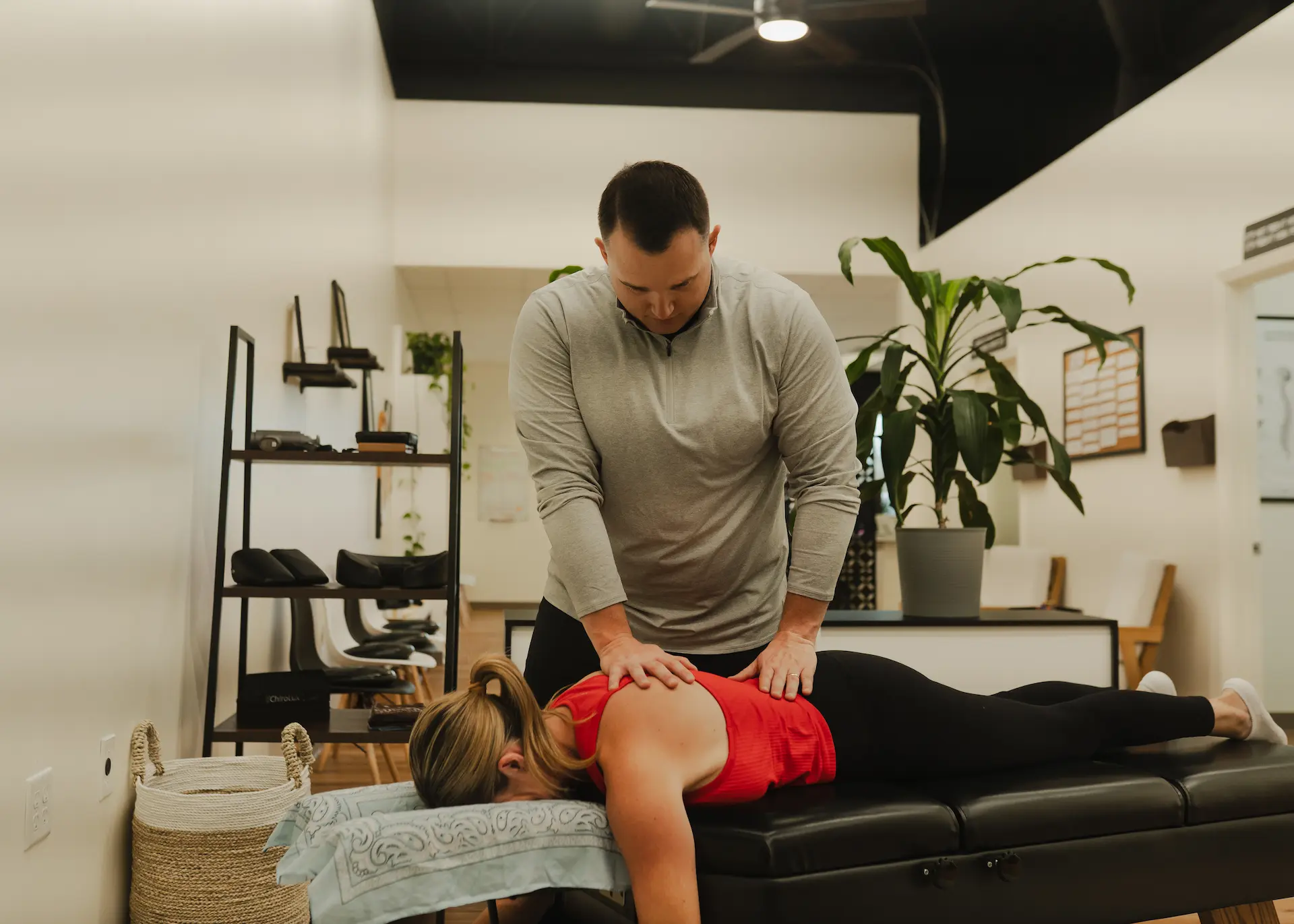
The spine protects and houses a significant portion of your nervous system, including nerve pathways involved in autonomic function, the automatic processes that regulate heart rate, blood pressure, and circulation. For patients managing POTS (Postural Orthostatic Tachycardia Syndrome), addressing mechanical restriction and dysfunction in the spine, particularly the upper neck, is a legitimate way to support how well that nervous system functions overall. POTS itself is diagnosed and managed medically, but nervous system health is part of the bigger picture, and that’s where chiropractic care fits in.
The Spine and the Nervous System Are Not Separate Systems
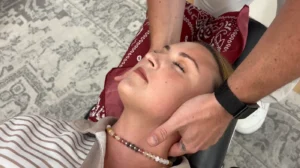
Every nerve signal that regulates your heart rate, blood pressure, and circulation travels through your spinal cord and out through nerve roots exiting the spine at specific levels. The upper cervical spine, the top of the neck near the base of the skull, is a particularly dense area for this kind of nerve traffic. The vagus nerve, a central player in parasympathetic nervous system function and one of the main regulators of heart rate and circulation, runs directly through this same region.
When the joints and soft tissue in this area are restricted, from posture, old injury, or chronic tension, that restriction adds mechanical stress to a region the nervous system depends on to function cleanly. Reducing that stress is not a specialty technique. It’s the core of what chiropractic care does throughout the spine, applied to a region that happens to matter quite a bit for autonomic function.
Why This Matters Specifically for POTS Patients
POTS involves the autonomic nervous system responding abnormally to changes in posture, most notably a rapid heart rate increase when standing. Many POTS patients also deal with neck pain, headaches, and postural strain, either as a separate issue or as something that seems to track alongside their POTS symptoms. That overlap is worth taking seriously rather than dismissing as unrelated.
Addressing upper cervical restriction and postural strain supports the nervous system’s ability to function without added mechanical interference. That’s a genuinely different claim than saying chiropractic care treats or cures POTS, and it’s an important distinction. POTS is diagnosed and managed by a physician, typically a cardiologist or neurologist, and that medical management should stay the foundation of your care. Supporting nervous system function through spinal health is a piece of the broader picture, not a substitute for it.
What This Looks Like in Practice
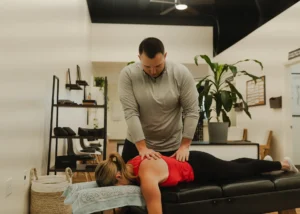
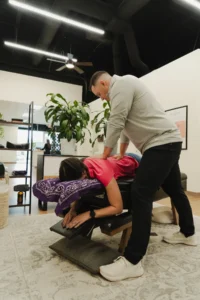
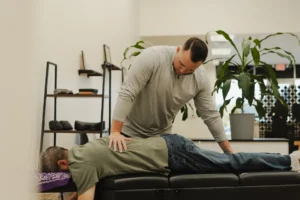
At Within Chiropractic in Colleyville, every new patient goes through a full exam, including digital posture analysis and orthopedic testing, before any care plan is discussed. For a POTS patient, this means identifying restriction, tension, and postural patterns in the upper cervical spine and surrounding soft tissue, then building a plan specifically around those findings.
Treatment often includes chiropractic care to restore normal movement in restricted segments, soft tissue therapy to release chronic tension patterns, and attention to neck pain and headache symptoms that frequently show up alongside POTS. The goal is a spine and nervous system that are functioning as well as they can, which is a meaningful piece of feeling better overall, even though it isn’t a treatment for the underlying condition itself.
Coordinating With Your Medical Care
Good POTS management is usually a team effort, and chiropractic care works best as part of that team rather than off on its own. We’ll ask about your current diagnosis and treatment plan during intake so your care stays coordinated, and we’re glad to communicate with your physician or cardiologist if that’s helpful for your overall management.
Frequently Asked Questions
Does chiropractic care treat POTS?
No. POTS is a medical condition diagnosed and managed by a physician. Chiropractic care supports spinal and nervous system function, which many POTS patients find valuable alongside their medical treatment, but it is not a treatment for POTS itself.
Why would upper cervical health matter for someone with POTS?
The upper cervical spine sits near key nerve pathways involved in autonomic regulation, including the vagus nerve. Restriction in this area adds mechanical stress to a system that’s already working hard to regulate itself, so addressing that restriction is a reasonable piece of supporting overall function.
Is it safe to be adjusted if I have POTS?
For most patients, yes. Mentioning your diagnosis during intake helps us account for positional changes and pacing during your visit.
Will this replace my current POTS treatment?
No, and it shouldn’t. Continue following your physician’s treatment plan. Chiropractic care is meant to complement that care, not stand in for it.
Support Your Nervous System as Part of Your Bigger Picture
If you’re managing POTS and want to make sure your spine and nervous system are functioning as well as they can, we’re glad to take a look. Schedule a visit or call 682-343-6801 to get started.