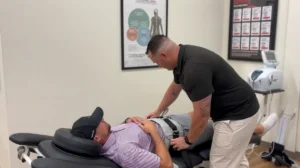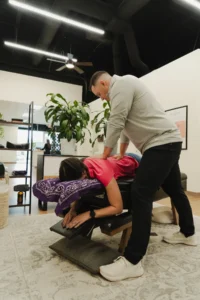
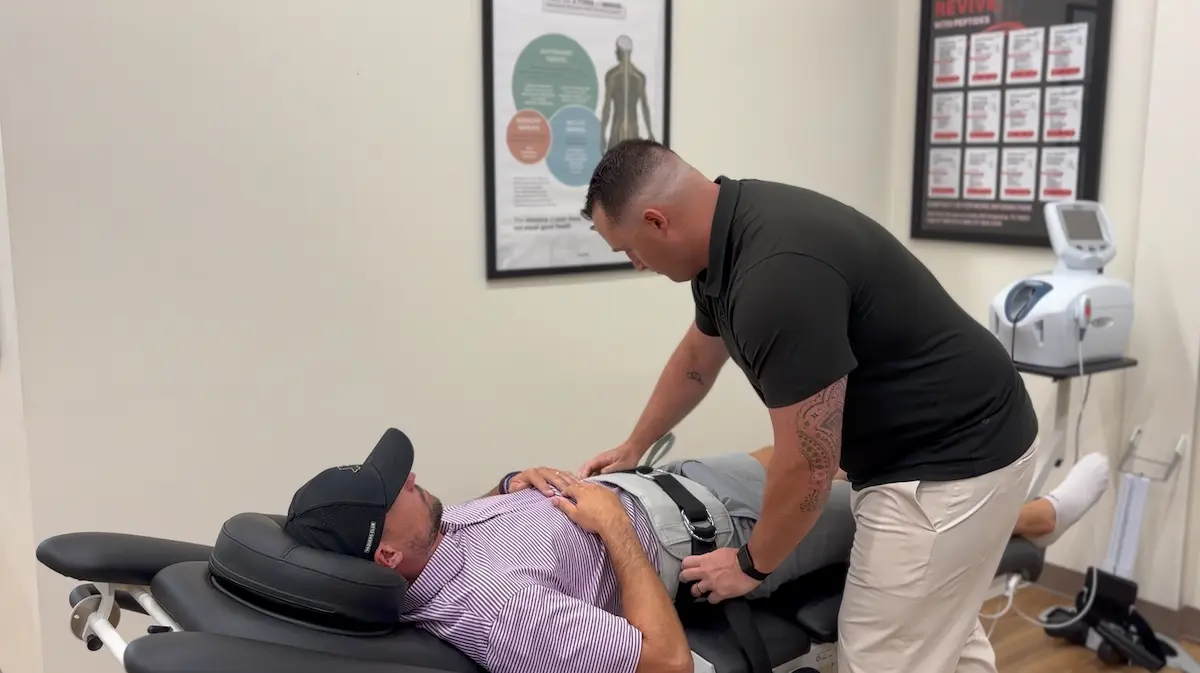
After your first chiropractic adjustment, it is normal to feel mild soreness similar to a light workout, often alongside some immediate relief and easier movement in the area treated. Most patients feel noticeably looser within a day or two, though everyone responds a little differently depending on what is being addressed. For new patients in Colleyville, knowing what to expect takes a lot of the nervousness out of that first visit.
The Two-Visit Process, and Why It Exists
At Within Chiropractic in Colleyville, your first visit is more than a quick adjustment. It includes a full exam with digital X-ray, posture analysis, heart rate variability testing, and orthopedic and range-of-motion testing, along with a relief adjustment where it is appropriate on that first day.
The second visit is when Dr. Thompson sits down with you and walks through everything the exam found, then lays out a complete care plan. This two-step approach is deliberate. It exists specifically so you are never rushed into a plan before every finding has been reviewed, which is the opposite of the one-size-fits-all experience many patients have had elsewhere.
If you want a fuller sense of what leads people to book that first visit, our post on signs it is time to visit a chiropractor covers the common tipping points.
What You Might Feel Right After
Reactions vary, and all of the common ones are normal. Some patients feel immediate relief and lighter movement. Others notice mild soreness in the muscles around the adjusted joint, much like the feeling after using muscles you had not worked in a while.
When soreness does show up, it usually settles within 24 to 48 hours. You may also notice a welcome bump in range of motion right away, especially if back pain or stiffness had been limiting how freely you could move.
Is It Normal to Feel Tired or Achy?
For some patients, yes. An adjustment can prompt the nervous system and the surrounding muscles to reset patterns they have been holding for a long time, and that reset can feel a little tiring at first. Think of it like the pleasant fatigue after a good workout rather than a sign something went wrong.
Drinking plenty of water and keeping the rest of your day gentle usually helps you settle. If anything feels off beyond ordinary soreness, Dr. Thompson wants to hear about it at your next visit so the plan can be adjusted.
What Happens at Your Second Visit
This is where the full report of findings comes in, and it is a genuinely useful part of the process. Dr. Thompson walks through what the X-ray and posture analysis showed as part of your chiropractic care plan, explains what is actually causing your symptoms, and outlines specific next steps.
That plan includes which techniques fit your situation, whether that is Diversified, Thompson Drop, the Activator, or a mix, and roughly how often you will need to come in. You leave understanding not just what is being done, but why.
How Soon Will You Feel Real Change?
This is the question almost everyone asks, and the honest answer is that it varies. Acute, recent issues often respond faster than chronic patterns where your body has spent months or years building compensations around the original problem.
Most care plans include a reassessment point built in, so progress is measured rather than assumed. That way, the plan can be adjusted based on how you are actually responding instead of sticking to a rigid script.
Getting the Most Out of Your Care
A few simple habits help your results hold between visits. Staying hydrated supports the soft tissues being worked on. Gentle movement, rather than long stretches of sitting, keeps things loose. And following the home guidance you are given, whether that is a specific stretch or an adjustment to your desk setup, tends to make a real difference in how quickly things improve.
Consistency matters more than intensity here. Showing up for the plan as laid out generally beats trying to force faster progress on your own.
Frequently Asked Questions
Will the adjustment hurt?
No. The popping sound some patients hear is gas releasing from the joint, not bones cracking, and the adjustment itself is not painful. Gentler options like the Activator Method are available for nervous or sensitive patients.
Can I exercise the day after my adjustment?
Light activity is generally fine, but it is worth confirming with your specific plan, since the answer can depend on what was addressed and how your body is responding.
How many visits will I need?
That depends entirely on what your exam shows. Some patients need only a short course of care, while others benefit from an ongoing plan, which is exactly what the second visit’s report of findings is meant to clarify.
Do I need a referral to become a new patient?
No referral is required. You can schedule your first visit directly.
Ready for Your First Visit?
If you are curious what a thorough, exam-first approach feels like in Colleyville, learn more about becoming a new patient or get in touch. You can also call 682-343-6801 to get started.