
TMJ headaches typically show up around the temples, jaw, and ears, often alongside jaw clicking, tightness when chewing, or morning jaw soreness from clenching. Regular tension or cervicogenic headaches tend to center more at the base of the skull or across the forehead without jaw-specific symptoms. Since the two can overlap and even feed each other, figuring out which one you are dealing with matters for getting the right treatment.
Why Headache Type Matters
Not all headaches respond to the same treatment. A headache driven by jaw clenching needs a different approach than one caused by neck dysfunction, even though both can feel similar day to day. Treating the wrong source is a common reason headaches keep coming back despite trying multiple remedies.
What Sets a TMJ Headache Apart
TMJ-related headaches usually come with a few telltale companions:
- Pain or tightness concentrated around the temples
- Jaw clicking, popping, or a feeling of the jaw catching
- Soreness in the jaw muscles, especially first thing in the morning
- Pain that worsens with chewing, yawning, or talking for a long time
- A history of teeth grinding or clenching, especially during sleep
These headaches often build gradually through the day, particularly after meals or stressful periods when clenching tends to increase.
What Sets a Regular Tension or Cervicogenic Headache Apart
Headaches originating from the neck, sometimes called cervicogenic headaches, tend to present differently:
- Pain that starts at the base of the skull and spreads forward
- Stiffness or reduced range of motion in the neck
- Pain that worsens with prolonged sitting, screen time, or looking down
- Little to no jaw involvement
This type is closely tied to neck pain and posture, particularly upper cervical dysfunction at the top three vertebrae of the neck.
Where the Two Overlap
Here is where it gets less clear cut. The jaw and upper neck share muscles and nerve pathways, so a jaw problem can trigger neck tension, and a neck problem can trigger jaw clenching as the body compensates. We covered this connection in more detail in our previous post on jaw pain and the neck. In practice, a lot of patients have some combination of both, which is exactly why a proper evaluation matters more than guessing based on symptoms alone.
How to Tell Which One You Have
A few questions can help point you in the right direction. Does the pain start near your jaw or the base of your skull? Does chewing or talking make it worse, or does it stay the same regardless? Do you wake up with jaw soreness, or neck stiffness, or both? Answering honestly gives you a starting point, but a proper exam is what actually confirms the source.
How This Gets Evaluated at Within Chiropractic
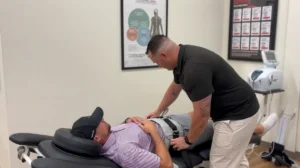
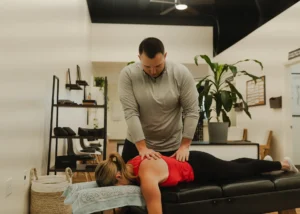
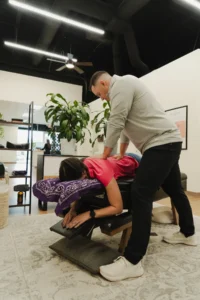
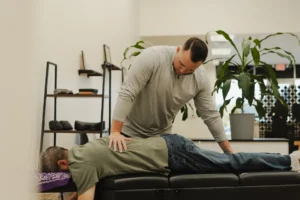
At Within Chiropractic in Colleyville, every new patient goes through a thorough intake that includes posture analysis and an orthopedic exam before any treatment plan is discussed. For headache patients, that means checking cervical spine mobility, muscle tension patterns, and whether jaw involvement is part of the picture.
Depending on what the exam finds, care may include chiropractic care to restore movement in the upper cervical spine, soft tissue work to release chronically tight muscles around the jaw and neck, and a posture correction plan if forward head posture is contributing. Chiropractic care is not a substitute for dental treatment when clenching or bite alignment is the primary driver, so in some cases the two work best together.
Frequently Asked Questions
Can chiropractic care treat both types of headaches at once?
In many cases, yes, since neck dysfunction and jaw tension often show up together. Your exam will help determine how much each one is contributing.
Do I need imaging before being seen?
Not usually. A thorough physical exam is typically enough to identify the source of the headache and build a treatment plan.
How many visits does it usually take to see improvement?
This depends on how long the headaches have been going on and how much the neck or jaw is involved. Some patients notice a difference within the first few visits.
Get to the Actual Source of Your Headaches
If you are tired of guessing what is causing your headaches, an evaluation can identify whether the jaw, the neck, or both are behind it. Schedule a visit or call 682-343-6801 to get started.