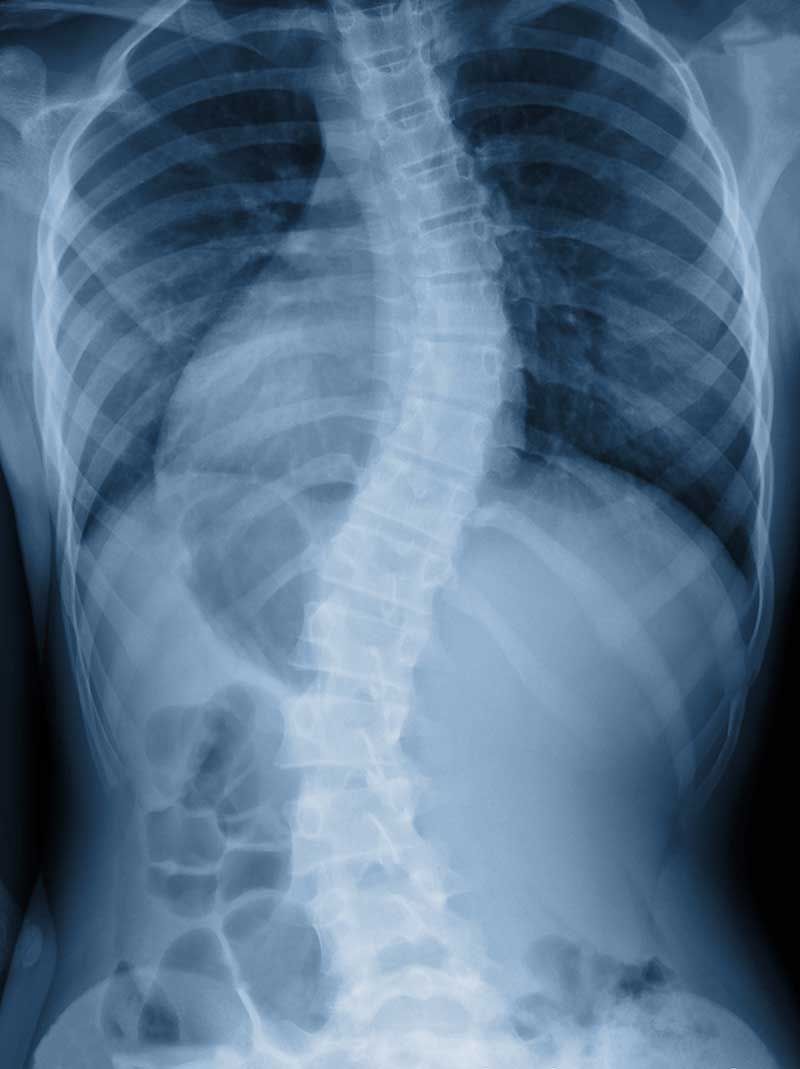
In most cases, no, scoliosis is not fully reversible, particularly once the spinal curve has become structural. That said, chiropractic care can often help manage the pain, muscle imbalance, and mobility issues that come with scoliosis, even when the curve itself does not change significantly. Understanding the difference between managing symptoms and correcting a curve is important for setting realistic expectations.
What “Reversible” Actually Means Here
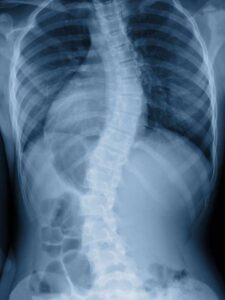
Scoliosis is a sideways curvature of the spine, and curves are generally described as either flexible or structural. A flexible curve, sometimes seen early on or in cases tied to muscle imbalance, can sometimes improve with targeted intervention. A structural curve, where the vertebrae themselves have adapted to the curved position, is much less likely to change meaningfully regardless of the treatment approach.
This is worth saying plainly. Anyone promising to reverse or straighten an established structural curve through chiropractic adjustments alone is overstating what the evidence supports. That is not the approach we take at Within Chiropractic.
What Chiropractic Care Can Realistically Help With
Even when the curve itself stays largely the same, scoliosis often comes with problems that chiropractic care is well suited to address:
- Muscle imbalance and tightness on one side of the spine from years of compensating around the curve
- Back pain caused by uneven loading through the spine and pelvis
- Reduced mobility in segments of the spine that have become restricted
- Postural compensation patterns that develop above and below the curve
Addressing these issues does not straighten the spine, but it can meaningfully reduce pain and improve function and comfort in daily life.
Why Age and Curve Type Matter
Scoliosis in a growing child or adolescent behaves differently than scoliosis in an adult. In younger patients, curves can progress as the skeleton is still developing, which is why monitoring by an orthopedic specialist is important alongside any supportive care. In adults, the curve is typically stable, and the focus shifts almost entirely toward managing symptoms and function rather than expecting structural change.
This is also why scoliosis should be evaluated properly before assuming chiropractic care is or is not the right fit. The approach differs quite a bit depending on the type and severity of the curve.
What an Honest Evaluation Looks Like
At Within Chiropractic in Colleyville, every new patient goes through a thorough exam that includes digital posture analysis and orthopedic testing before any care plan is discussed. For a patient with scoliosis, that means assessing how the curve is affecting muscle balance, joint mobility, and daily function, not promising a specific outcome for the curve itself.
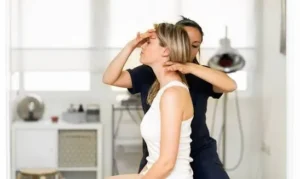
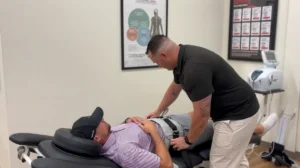
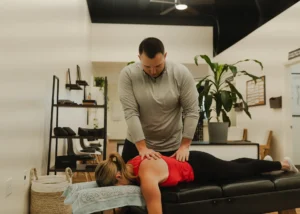
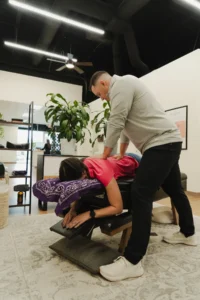
From there, a plan may include chiropractic care to maintain mobility in restricted segments, soft tissue therapy to address chronic muscle imbalance, and a posture correction component focused on supporting better function around the existing curve. For structural curves, especially in growing patients, this kind of supportive care is best used alongside monitoring from an orthopedic specialist, not as a replacement for it.
Frequently Asked Questions
Can chiropractic adjustments straighten a scoliosis curve?
Generally not for structural curves. Chiropractic care is more effective for managing the pain and muscle imbalance associated with scoliosis than for changing the curve itself.
Should my child see a chiropractor if they have scoliosis?
This depends on the curve type and severity. A pediatric orthopedic specialist should be involved for monitoring, and chiropractic care, if appropriate, would typically be supportive rather than a standalone treatment.
Is it too late to get help if I’ve had scoliosis for years?
No. Even long-standing scoliosis can often be helped in terms of pain management and mobility, even though the curve itself is unlikely to change significantly at that point.
Get an Honest Assessment of Your Options
If you are dealing with pain or stiffness related to scoliosis and want a straightforward evaluation of what can realistically help, schedule a visit or call 682-343-6801.