

Is It Safe to Crack Your Own Neck?
Cracking your own neck once in a while is usually harmless, but doing it habitually or with a lot of force can be risky, and it rarely addresses why your neck feels tight in the first place. That constant urge to self-crack is often a sign of an underlying joint
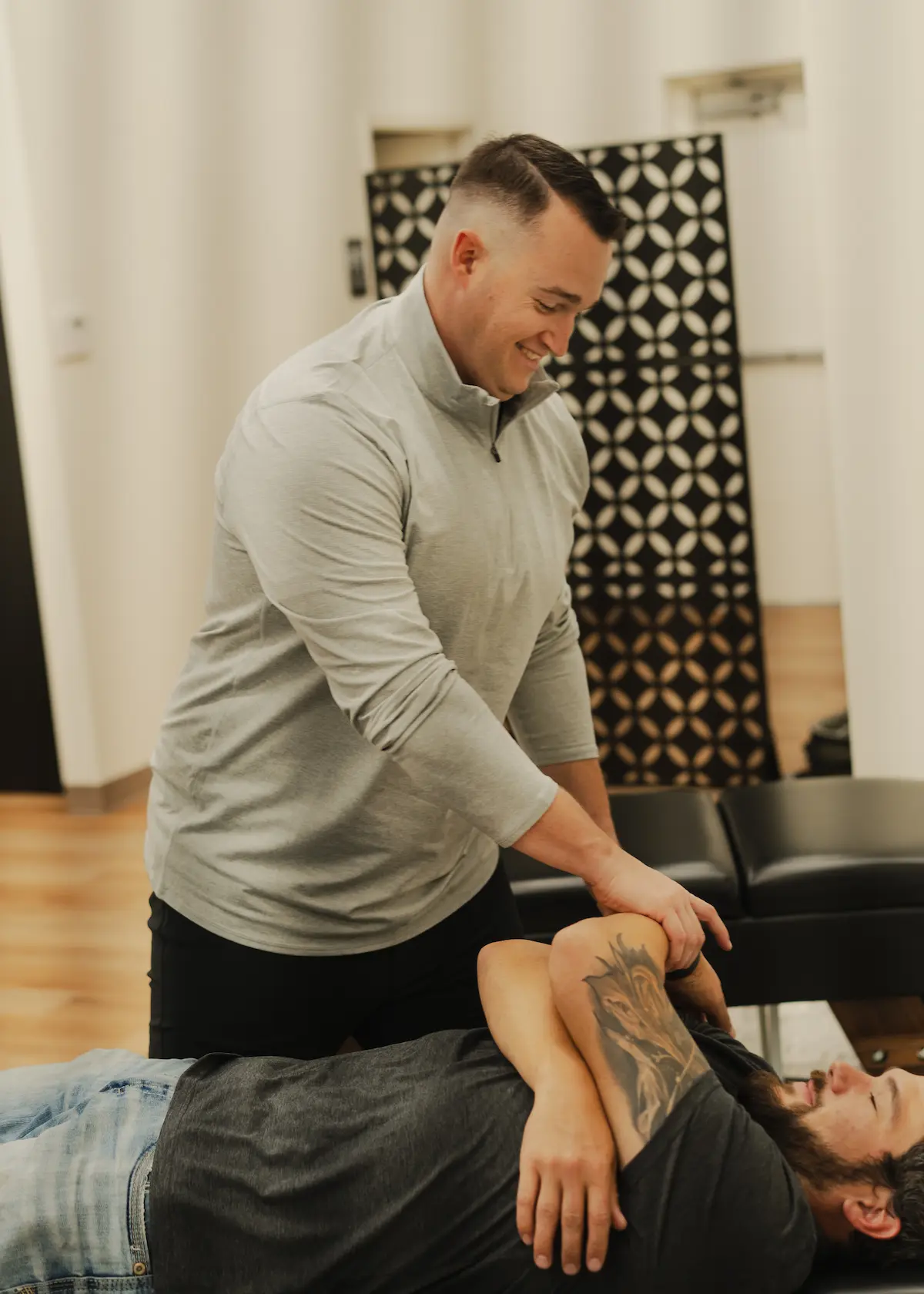
Chiropractic Care for Scoliosis in Colleyville, TX
Chiropractic care for scoliosis in Colleyville focuses on managing the pain, muscle imbalance, and mobility restrictions that often come with a spinal curve, rather than attempting to straighten the curve itself. For many patients, this means less pain, better movement, and a more functional day to day life, even when

Ice vs. Heat for Back and Neck Pain: Which One Should You Use and When?
Use ice for new, acute injuries and swelling in the first 48 to 72 hours, and use heat for stiff, tight, or long-standing muscle tension. The simple version of ice vs. heat is that ice calms inflammation while heat relaxes muscles and improves blood flow. Reaching for the right one
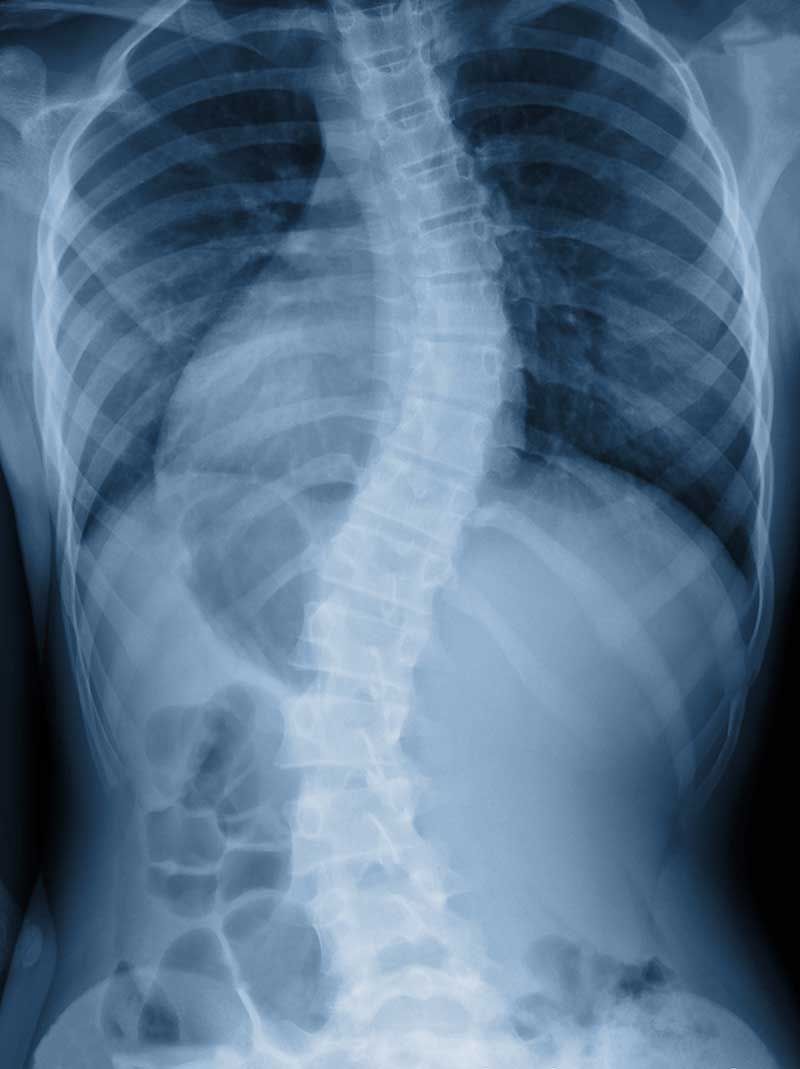
Is Scoliosis Reversible?
In most cases, no, scoliosis is not fully reversible, particularly once the spinal curve has become structural. That said, chiropractic care can often help manage the pain, muscle imbalance, and mobility issues that come with scoliosis, even when the curve itself does not change significantly. Understanding the difference between managing
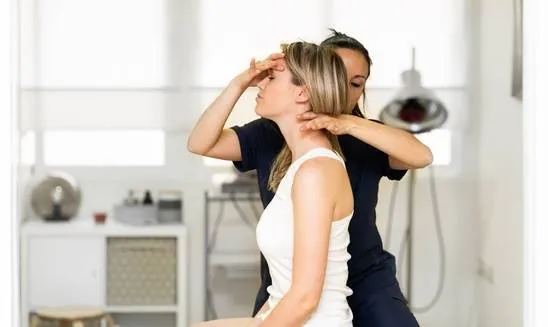
Cervicogenic Headaches: Why Your Headaches Might Be Coming From Your Neck
A cervicogenic headache is a headache that originates from dysfunction in the upper neck rather than the head itself, often felt as pain that starts at the base of the skull and wraps forward toward the temple or eye. Because the real source is the cervical spine, addressing the neck

TMJ Headaches vs. Regular Headaches: How to Tell the Difference
TMJ headaches typically show up around the temples, jaw, and ears, often alongside jaw clicking, tightness when chewing, or morning jaw soreness from clenching. Regular tension or cervicogenic headaches tend to center more at the base of the skull or across the forehead without jaw-specific symptoms. Since the two can
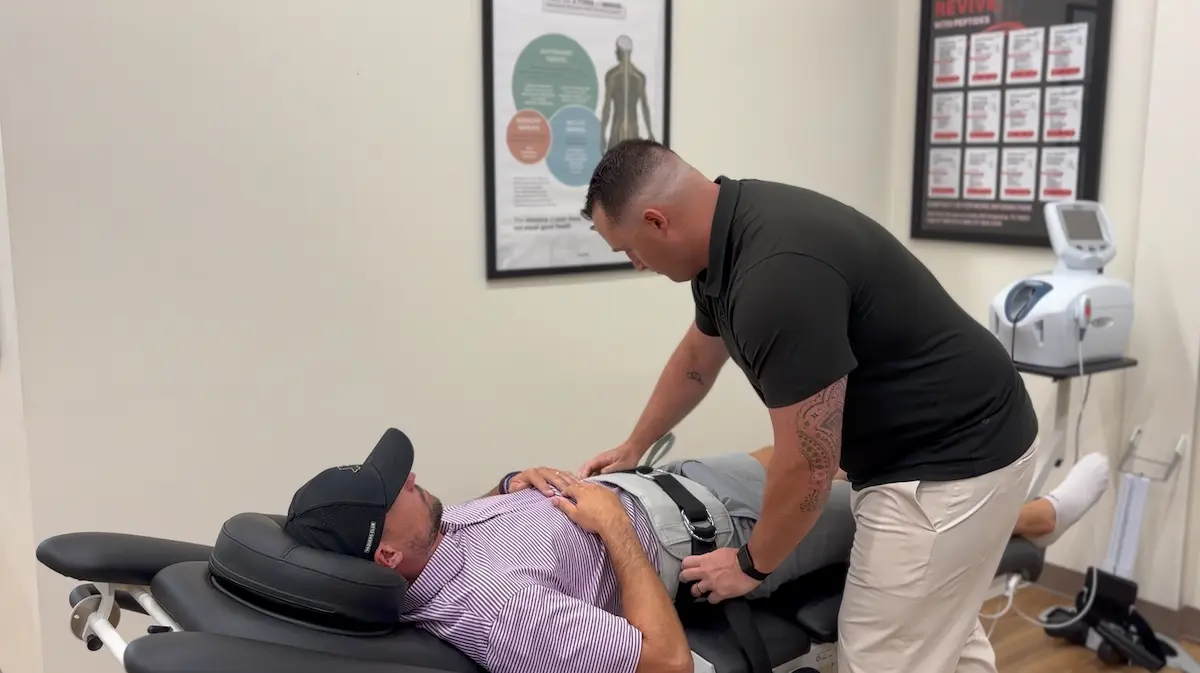
What to Expect After Your First Chiropractic Adjustment
After your first chiropractic adjustment, it is normal to feel mild soreness similar to a light workout, often alongside some immediate relief and easier movement in the area treated. Most patients feel noticeably looser within a day or two, though everyone responds a little differently depending on what is being
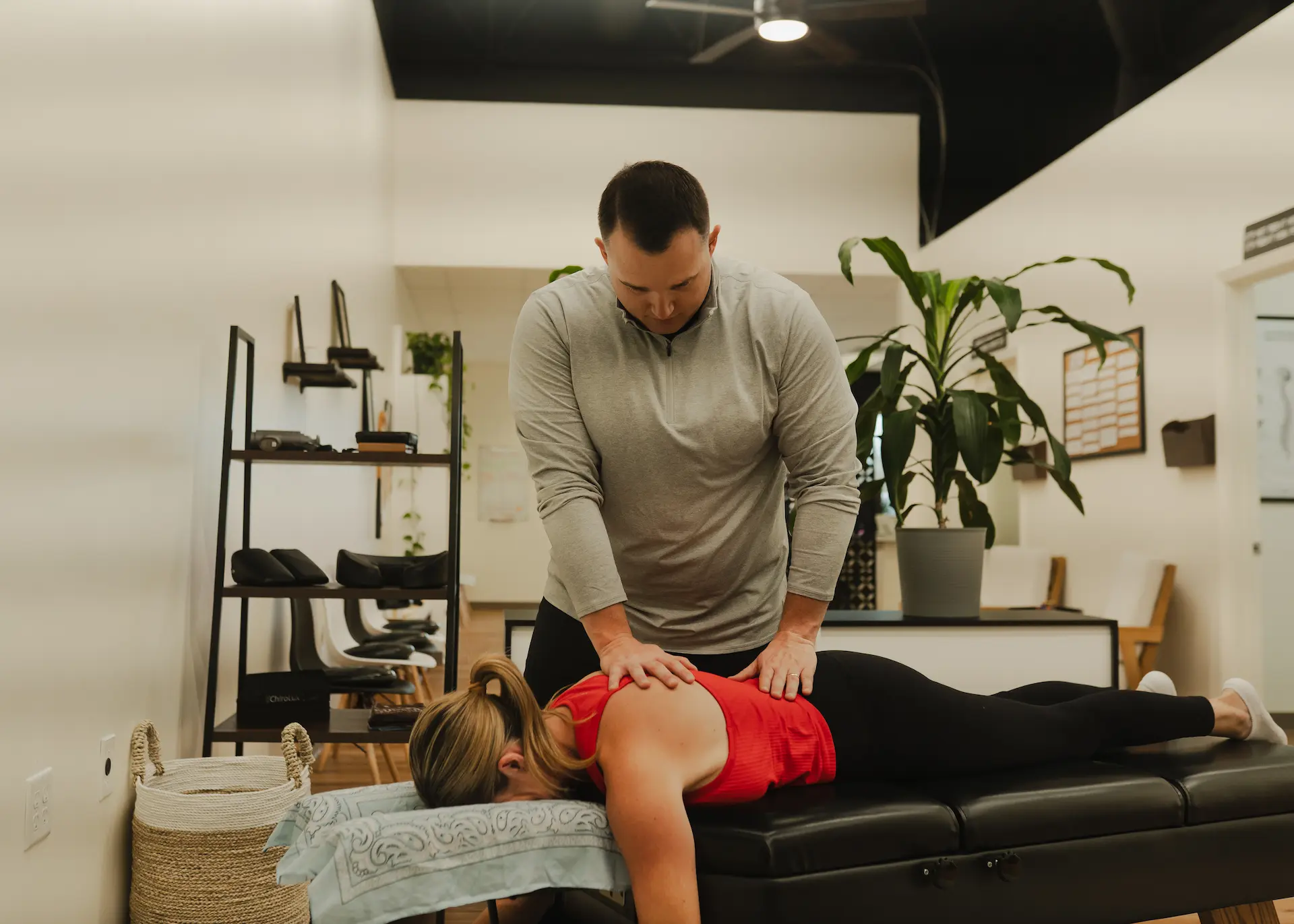
How Chiropractic Care Supports Nervous System Function for POTS Patients
The spine protects and houses a significant portion of your nervous system, including nerve pathways involved in autonomic function, the automatic processes that regulate heart rate, blood pressure, and circulation. For patients managing POTS (Postural Orthostatic Tachycardia Syndrome), addressing mechanical restriction and dysfunction in the spine, particularly the upper neck,
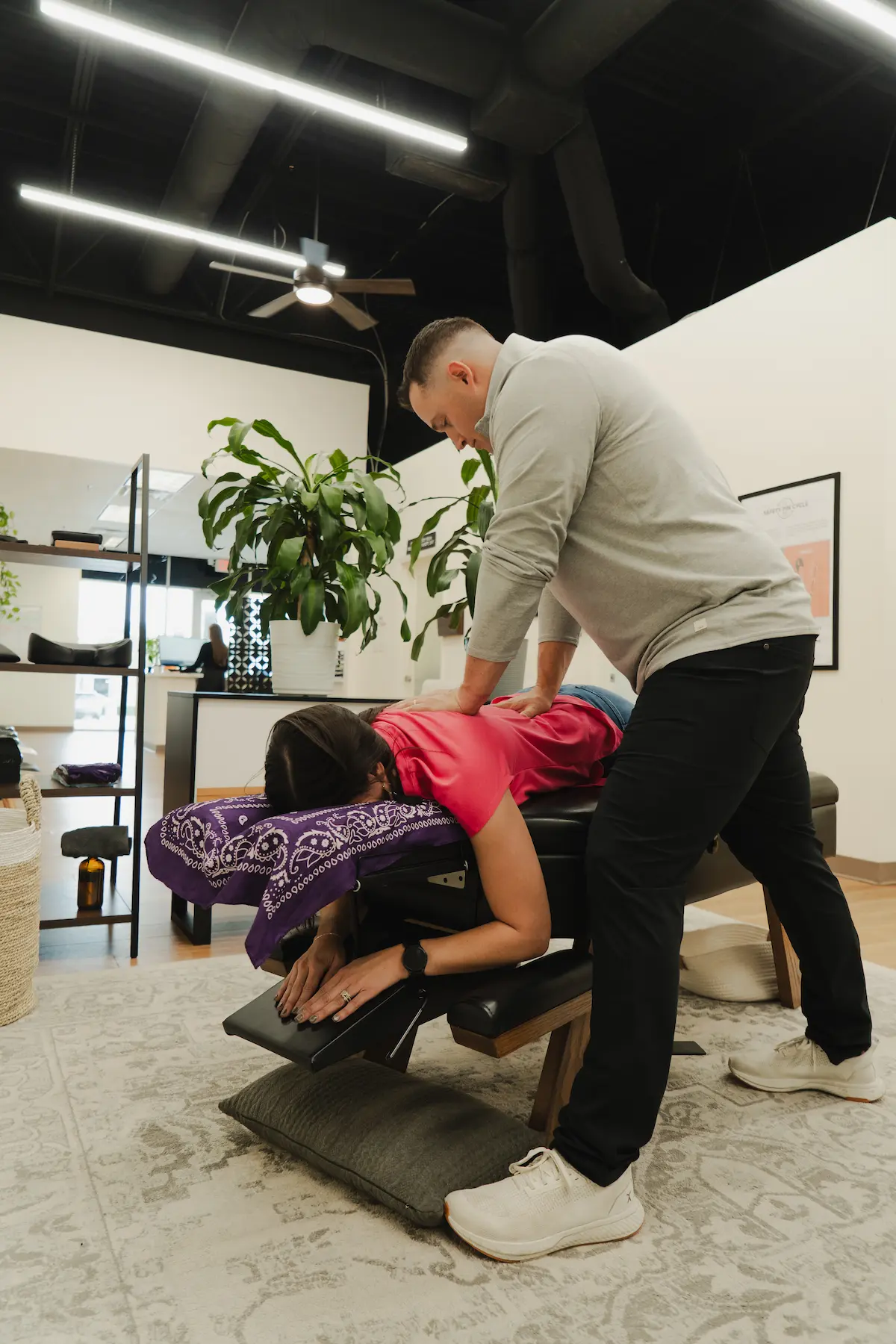
Chiropractor vs. Urgent Care: Where Should You Go for Back Pain?
For most mechanical back pain, muscle strain, stiffness, or pain without severe nerve symptoms, a chiropractor is usually the right first stop. Urgent care or the emergency room is the better choice when there is major trauma, loss of bladder or bowel control, significant weakness, or symptoms after a serious
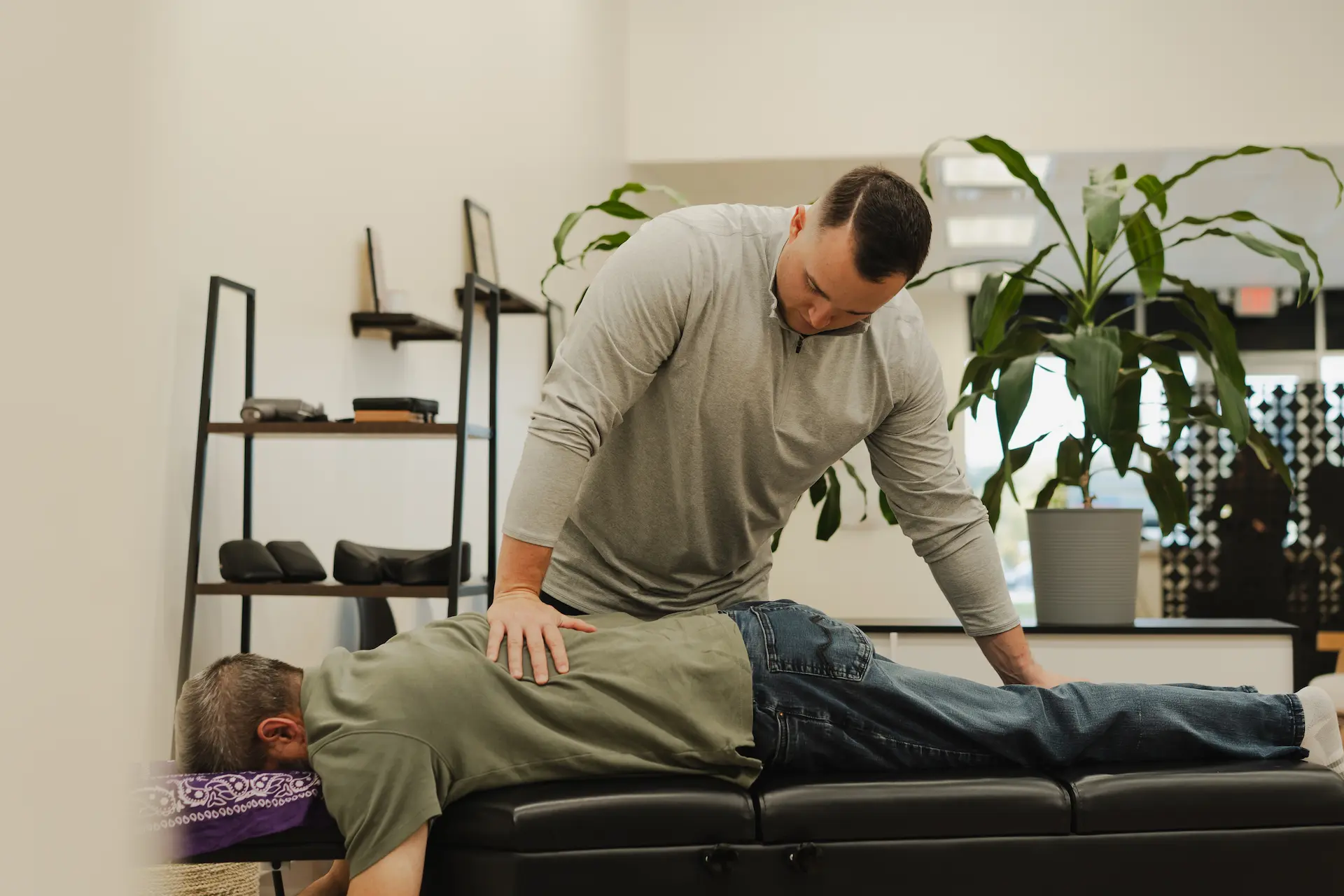
Does Poor Posture Cause TMJ Problems?
Yes, poor posture, particularly forward head posture from long hours at a desk or on a phone, can contribute to TMJ symptoms. The muscles that stabilize your jaw share attachments with your neck and upper back, so when those muscles are chronically strained from posture, jaw tension and dysfunction often

Can Sciatica Go Away Without Treatment?
Sciatica can sometimes go away on its own when it comes from a minor, short-lived irritation, but ongoing or worsening symptoms usually point to a structural cause that will not resolve without being addressed directly. The honest answer depends entirely on what is compressing the nerve. For Colleyville patients, waiting
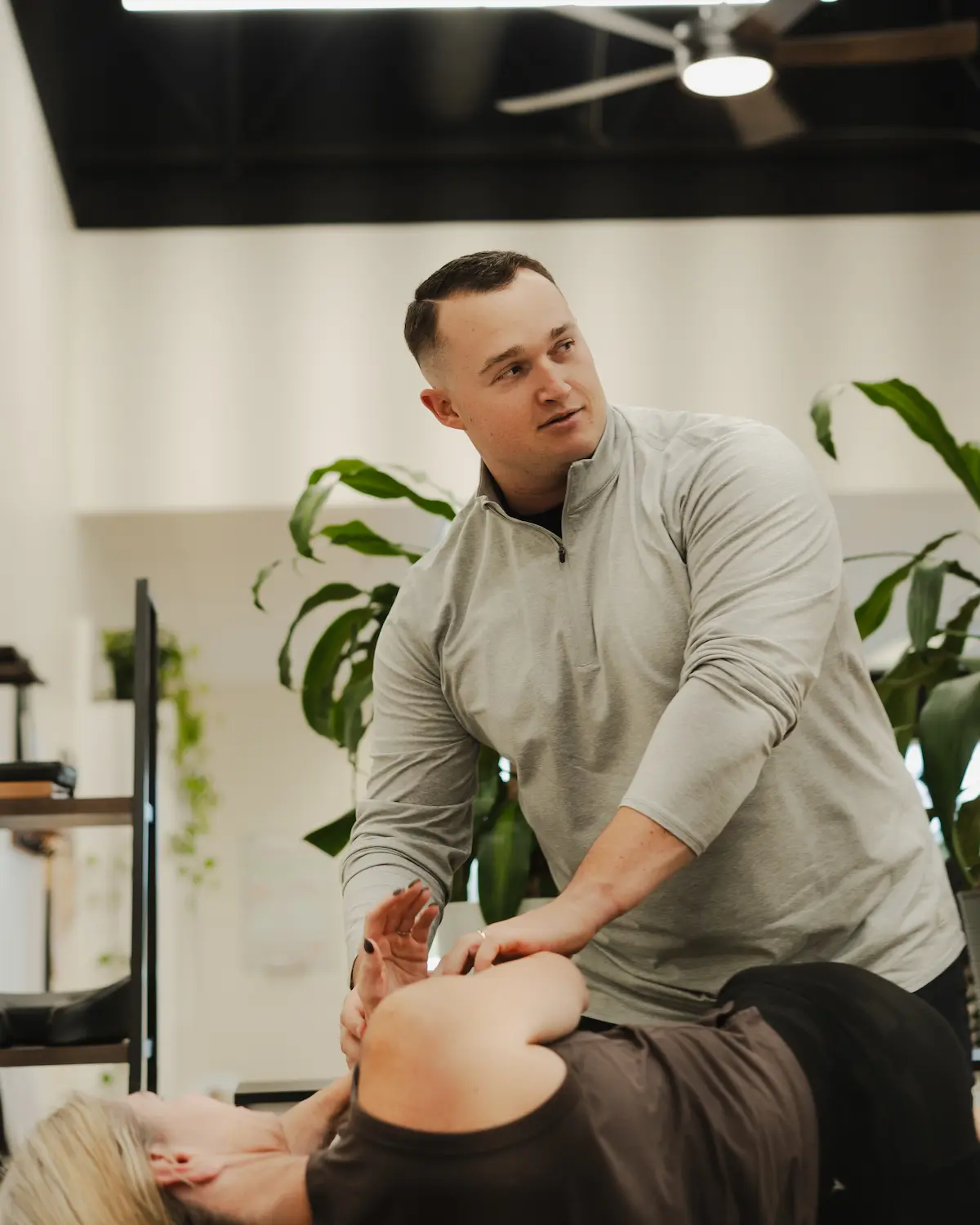
Diversified vs. Thompson Drop vs. Activator: Which Chiropractic Technique Is Right for You?
Diversified is a precise hands-on adjustment best for general back and neck pain, Thompson Drop uses a segmented table that lowers the force needed for sensitive or acute cases, and the Activator is a gentle handheld instrument with no twisting or popping. The right chiropractic adjustment technique depends on your